Farm-to-Table is a social movement as much as it is a movement about food. It represents something bigger than eating fresh — a commitment to raise awareness of how foods are produced, processed and distributed. By deciding what goes into the menu, restaurants can now be advocates of ethical, sustainable agriculture. Over the years, Olivier Pacific has been helping to connect restaurants with farms and ranches that share the same perseverance for sustainability.
We support artisan producers and suppliers who keep culinary and cultural traditions alive by linking them up directly with restaurants. We applaud farms for adopting the Holistic Management model, which consider all aspects of the environment in their decisions, from improving the health of the land and water resources to reducing the use of fossil fuels and enhancing local communities. By making a stand for sustainability in food production, not only are we able to uphold our commitment of supplying fresh, wholesome, flavourful food, but also to offer traceability through all stages of production, procurement and delivery. With us, restaurants no longer have to depend on the proximity of their food source for quality ingredients and to safeguard the environment.
Farm-to-table today
The farm-to-table social movement started in California in around 2000. Powered by an environmental awakening of the era, it has rapidly spread to the East Coast and became a global phenomenon soon after. Whether it is fine-dining or a neighbourhood eatery, all genuine farm-to-table operations stay focused on three principles — offering fresh, wholesome, flavourful food, a commitment to support sustainable farming, and good animal husbandry practices. Almost two decades after, it is clear that the movement is yet to be a passing trend. It has forever changed our perception of what and how we eat.
What is holistic management?
The Holistic Management model was created by the non-profit Holistic Management International (HMI) in 1984 for farmers who wanted to protect their animals and natural resources. The model focuses on a number of factors that include: awareness on climate change, improving wildlife habitat, growing more nutritious food, farm’s role in the food ecosystem, restoring the environment, strengthening local economies, and feeding the soil.
The model’s central focus is to educate farmers, as these objectives were too often overlooked before. HMI’s certificate programmes are FSA-approved and farmers are offered scholarships to complete the training. As of today, over 50,000 farmers have been trained in 130 countries across the globe. HMI is very involved in the growing community and even offer awards to recognise outstanding farms.
Traceability
Another exemplar of holistic ranching is the patented Safe Alternative® method. Founded on the humane treatment of lambs and a respect for nature, it is a highly strategic quality control system that first and foremost makes sure the flock enjoys a healthy, natural lifecycle, and second, makes the meat truly traceable.
All lambs are individually identified and tracked, each aspect of their well-being watchfully-recorded. They are fed all natural hay and grain, which are closely-monitored to avoid overeating. Food and water sources are consistently-tested to ensure ample nutrients and purity. These comprehensive data-supported processes are integrated into daily operation to ensure the humane stewardship of the lambs.
The ranch makes regular contact with restaurants and chefs for comments. If an inconsistency in taste were to occur with any cut, they are able to determine possible causes via the extensive data associated with the tracking number. Precautions and modifications can then be taken with future flocks. Such traceability not only benefits consumers, but also guarantees the ranch delivers the best possible lamb product.
Ethical ranching
Ethical ranches give their herd optimal conditions to be the healthiest animal they can be — extensive green prairie, mountain air, pristine water source and plentiful resources, not to mention a nutritionally-balanced diet that is specifically formulated for their needs. An HMI-certified Bison ranch harvests bison between 20 and 40 months of age. This is to ensure a consistent, high-quality product from each harvest. They are hormone-free and foraged for a nutritionally-balanced diet of grass, hay and grains. The herd is only handled once per year during the annual round-up, and humane handling techniques are used at all times. As a result of this dedication to excellence, the meat delivers a depth of flavour one would expect from the richest of traditional red meats, and on top of that offers a healthier, more nutrient-rich experience with less fat and fewer calories.
A tradition of sustainability
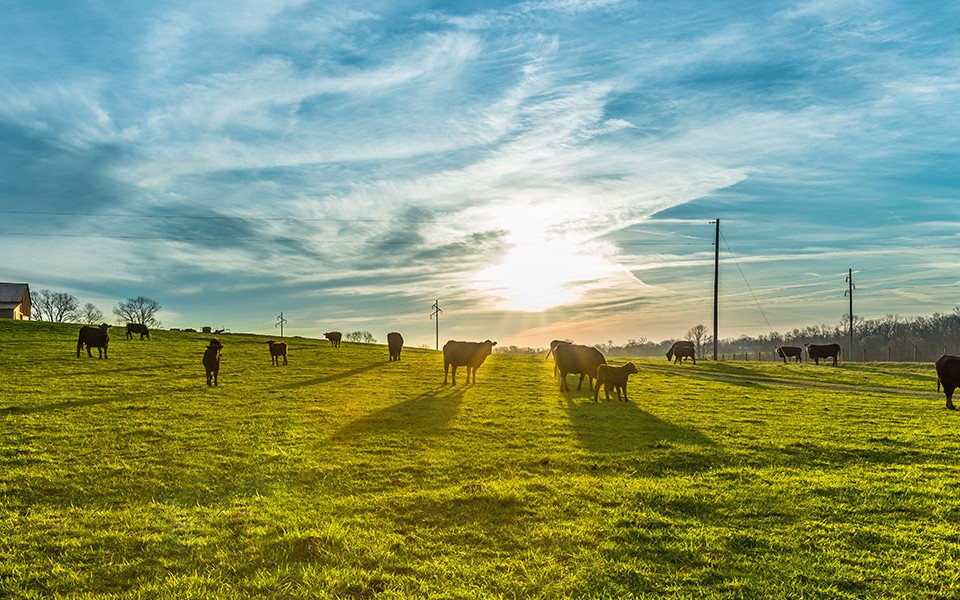
Some farms have had over a century of experience handling the cattle that roam in their pastures. It comes as no surprise that they’ve developed some effective farming methods. These include crop rotation to maintain healthy soil for growing animals feeds such as alfalfa, composting animal waste to enrich the land, and manage flood irrigation to attract native birds, which act as natural pesticides by eliminating unwanted insects from their fields. In some cases, ladybugs are released to naturally combat aphids.
One of the more creative techniques ranchers use is working with burrowing owls. These owls act as natural predators that rid the fields of pests. Sustainable ranches put as much work into maintaining a healthy surrounding environment as producing quality meat. With meticulous planning and attentive care, free-range beef sports a robust colour and marbling that makes them moist, succulent and delicious.
Sustainable ranchers and farms often raise pastured poultry as well. Chickens, for example, enhance soil fertility by working their manure into the soil, and they help manage crop pests by grazing on weeds and insects. Birds can also be rotated into pasture following cattle to control fly and parasite problems. Pastured poultry enhance and diversify the farm operation, providing the ranch with more income options with minimal investment for equipment and maintenance.
With access to adequate space, fresh air, and exercise, pastured poultry maintains better physical health than confined birds. Naturally, there is no need for hormones and antibiotics unless faced with acute illness. Pastured birds eat grasses and legumes that contain Vitamin A and omega-3 fatty acids, nutrients that are known to reduce cholesterol, which is healthier for the bird and the consumer as well.
Meticulous processing and sound distribution

Thanks to the stronger, direct ties, artisanal ranches can work directly with chefs for feedback to refine their meat processing operation. To produce the best product, beef can be hanged for up to 60 hours rather than the standard 28 to 32 to improve pH balance. They are shrouded in cheesecloth to reduce moisture loss; and it is wrapped in specially designed packages and shipped in bubble wrap to minimise blood seepage. All this extra work, time and packaging reflect the ranches’ dedication to quality. Products then enter an unbroken cold chain network, which ensures they meet the strictest standards of food safety, and the delivery of fresh, high-quality product every time.
Olivier Pacific is passionate about top-quality meat products and honoured to be able to share the history and tradition of where they came from with our customers. Though our suppliers are widespread, they tell equally interesting stories as the above. it is clear that their talents and passion are immersed in the practice of curating quality foods.